Security is one of the most important investments any business can make. Whether you run a corporate office, retail store, warehouse, school, hospital, hotel, or industrial facility, protecting your people, assets, and operations should always be a priority.
One of the most effective ways to strengthen physical security is through a well-designed CCTV surveillance system. More than just recording video, modern CCTV systems help businesses monitor activities, deter crime, improve operational oversight, and provide valuable evidence when incidents occur.
However, installing CCTV cameras is not simply about buying equipment and mounting it on walls. A successful surveillance system requires careful planning, the right technology, and professional installation.
Here’s what every business should know before investing in CCTV surveillance.
Understand Why You Need CCTV
The first step is identifying the purpose of the surveillance system.
Different businesses have different security needs. Some want to prevent theft, while others need to monitor staff safety, control access to restricted areas, or oversee daily operations across multiple locations.
Understanding your objectives helps determine the type of cameras, storage capacity, and system features that will best meet your needs.
Every Business Has Different Surveillance Requirements
There is no one-size-fits-all CCTV solution.
For example:
- A retail store may focus on entrances, checkout counters, and customer areas.
- A warehouse may require coverage of loading bays, storage areas, and perimeter fencing.
- Schools may prioritize classrooms, hallways, and playgrounds.
- Hospitals often require monitoring of entrances, waiting areas, and sensitive departments.
- Office buildings may need surveillance of reception areas, parking lots, and restricted offices.
A proper site assessment ensures that cameras are positioned where they provide maximum coverage and effectiveness.
Camera Placement Is More Important Than Camera Quantity
Many people assume that installing more cameras automatically means better security.
In reality, strategic placement matters more than the number of cameras.
Poorly positioned cameras can leave blind spots, produce poor-quality footage, or fail to capture important activities.
Professional planning considers factors such as:
- Building layout
- Lighting conditions
- High-risk areas
- Entry and exit points
- Parking areas
- Outdoor exposure
- Camera viewing angles
The goal is complete and reliable coverage—not simply installing as many cameras as possible.
Choose the Right Camera for the Environment
Different environments require different types of cameras.
Some of the most common options include:
Dome Cameras
Ideal for offices, schools, hotels, and indoor commercial spaces. Their discreet design makes them suitable for areas where aesthetics are important.
Bullet Cameras
Well-suited for outdoor environments, building perimeters, gates, parking lots, and warehouses due to their longer viewing range.
PTZ (Pan-Tilt-Zoom) Cameras
These cameras can rotate, tilt, and zoom, making them useful for monitoring large open areas such as industrial facilities and expansive commercial premises.
Selecting the right camera type improves surveillance performance while reducing unnecessary costs.
Image Quality Matters
Clear video footage is essential, especially when identifying faces, vehicles, or specific events.
Modern CCTV systems offer high-definition (HD) and Ultra HD (4K) recording, providing sharper images than older analogue systems.
When selecting a system, consider factors such as:
- Image resolution
- Night vision capability
- Low-light performance
- Wide dynamic range (WDR)
- Weather resistance for outdoor cameras
Higher-quality footage often makes the difference when reviewing incidents.
Don’t Overlook Storage Requirements
Every CCTV system needs a reliable method of storing recorded footage.
The amount of storage required depends on:
- Number of cameras
- Video quality
- Recording schedule
- Retention period
Some businesses require footage to be stored for only a few days, while others may need several weeks or months for compliance or operational reasons.
Proper storage planning helps ensure that important recordings remain available when needed.
Remote Monitoring Adds Convenience
Modern surveillance systems allow business owners and facility managers to monitor their premises remotely using smartphones, tablets, or computers.
This means you can:
- View live camera feeds
- Review recorded footage
- Receive security alerts
- Monitor multiple locations
- Respond quickly to incidents
Remote access provides greater flexibility and peace of mind, especially for organizations operating across different sites.
Integrating CCTV with Other Security Systems
A CCTV system becomes even more effective when integrated with other technologies.
These may include:
- Access control systems
- Visitor management systems
- Burglar alarms
- Fire detection systems
- Perimeter security solutions
- Intercom systems
Integrated security solutions improve overall situational awareness and simplify facility management.
Professional Installation Makes the Difference
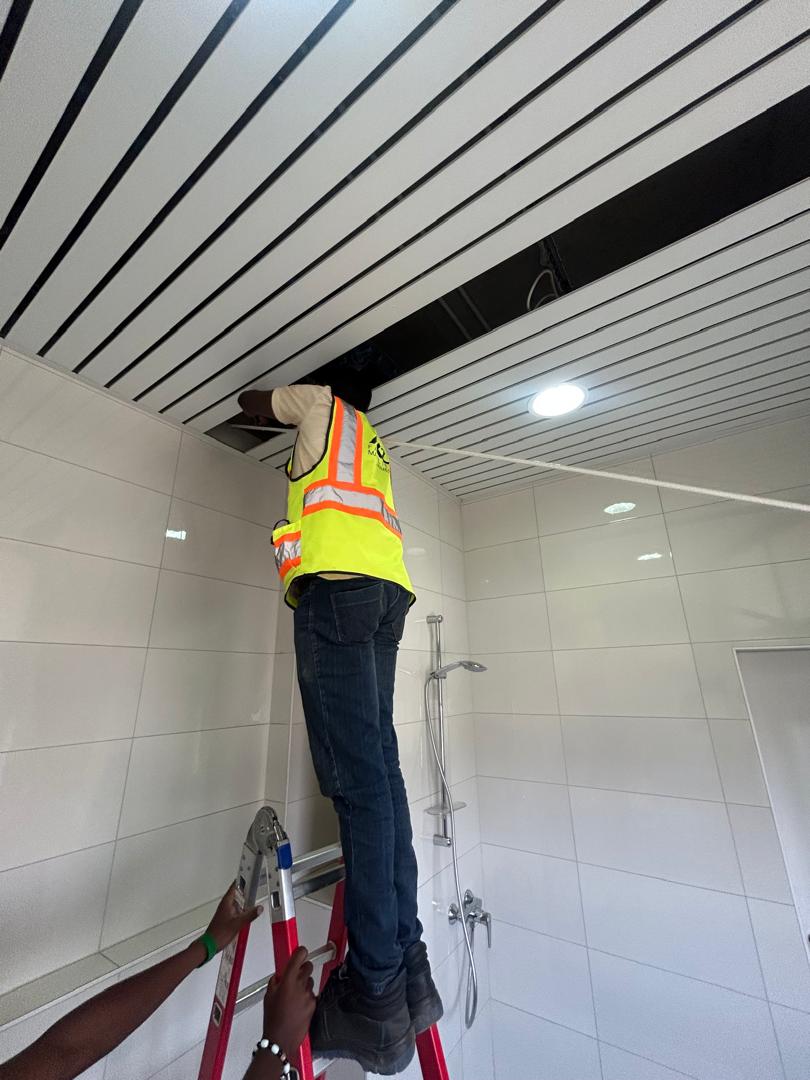
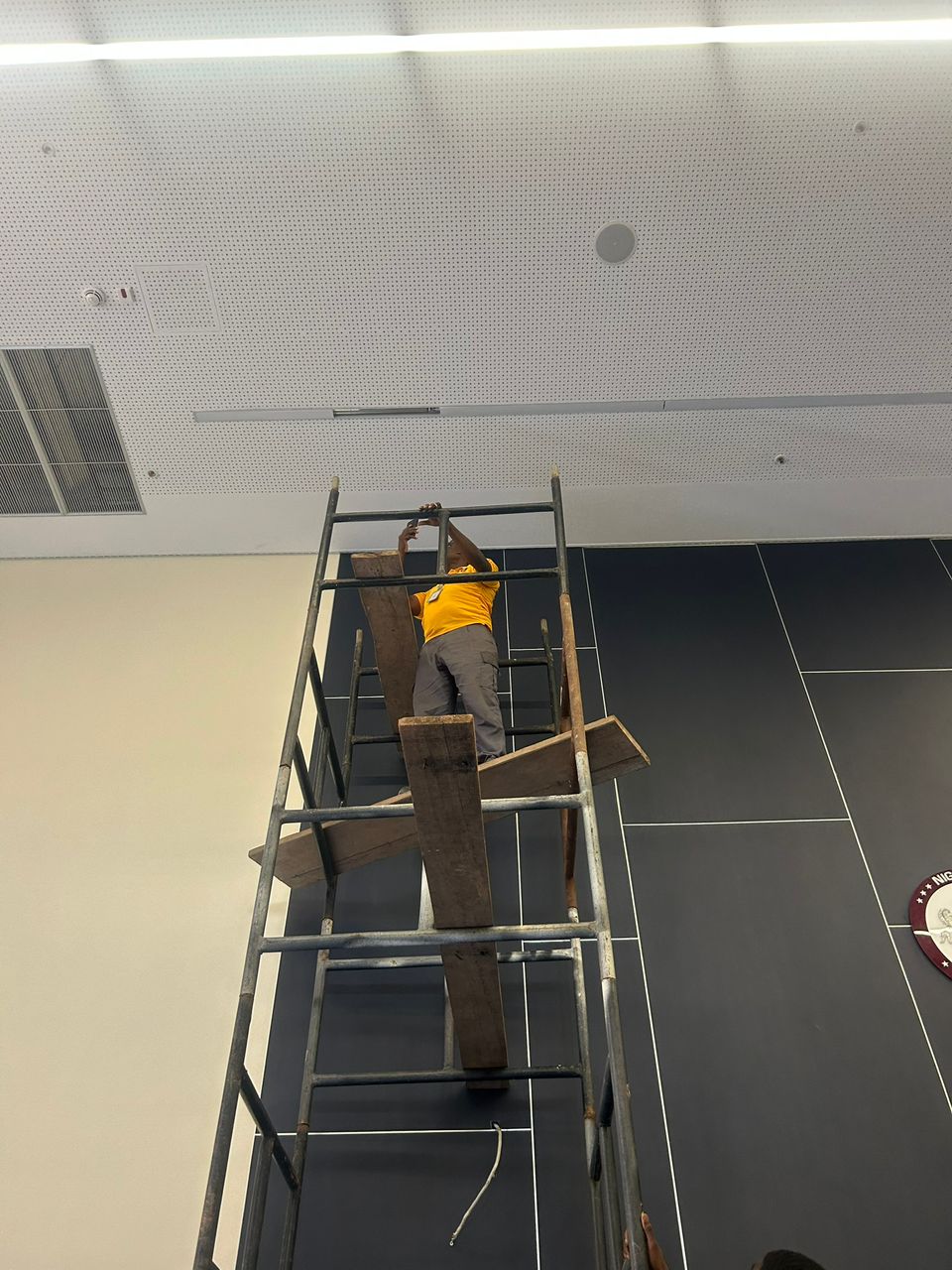
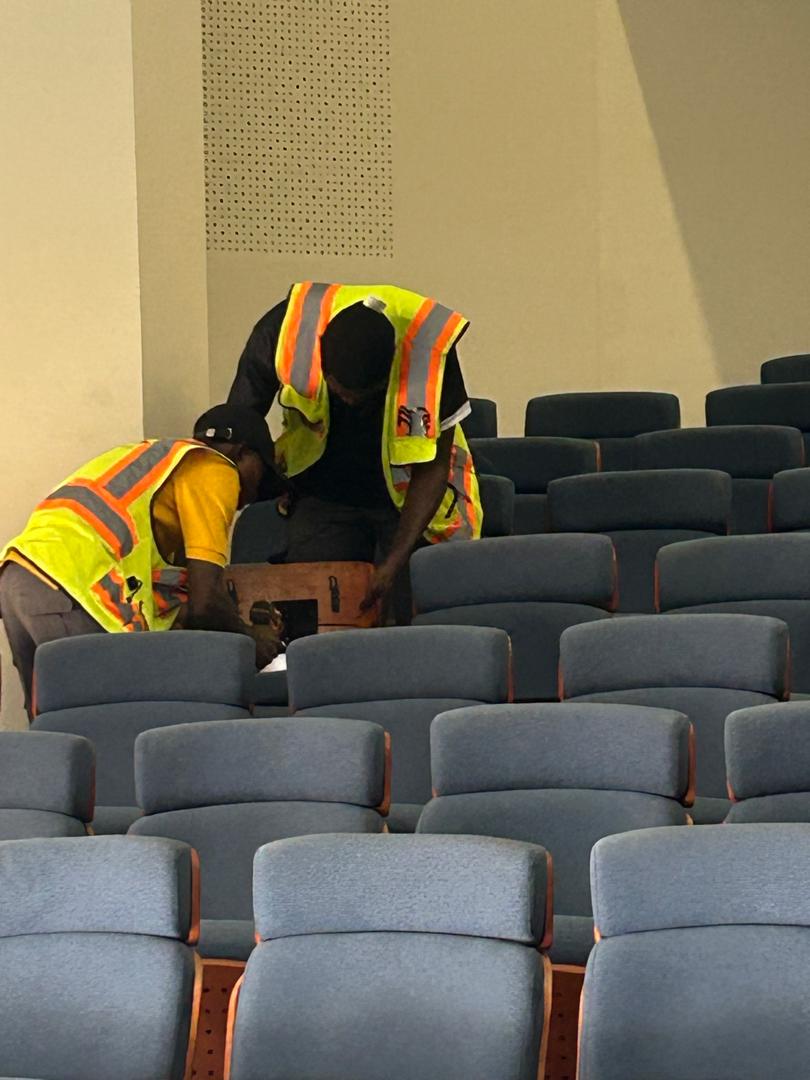
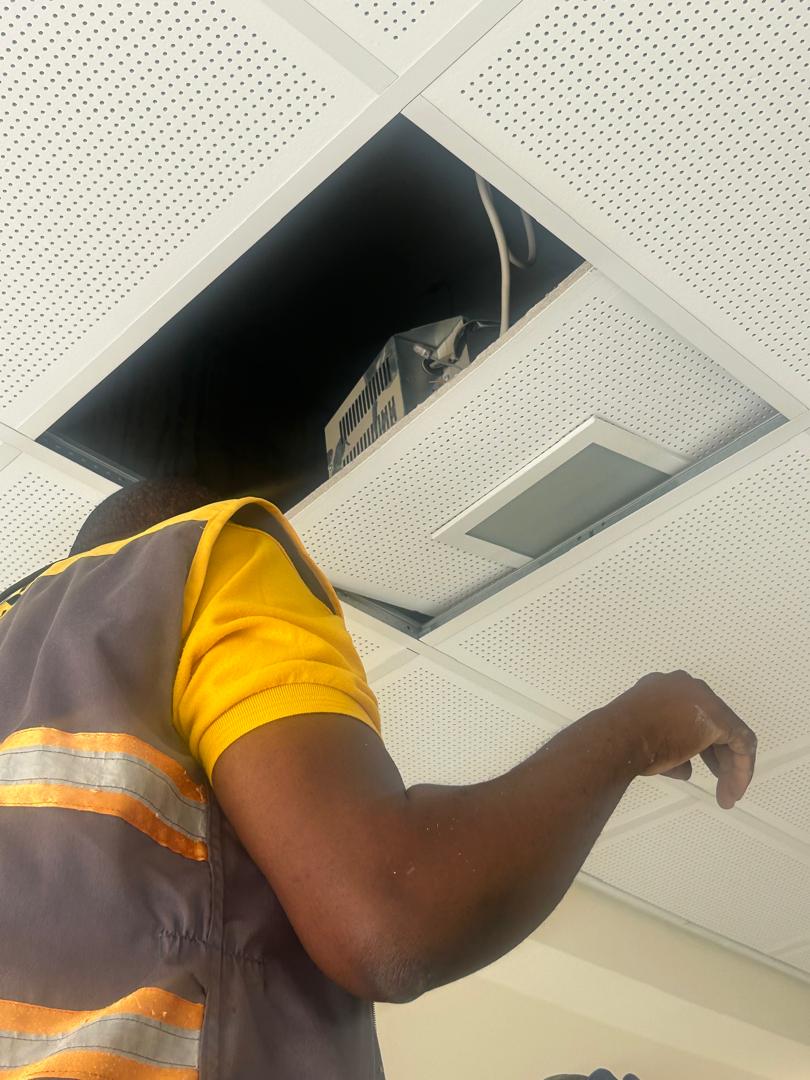
Even the best CCTV equipment can perform poorly if it is not installed correctly.
Professional installation ensures:
- Proper camera positioning
- Secure cabling
- Reliable network connectivity
- Stable power supply
- System configuration
- Testing and optimization
It also reduces the likelihood of technical issues after installation and helps maximize the lifespan of the equipment.
Ongoing Maintenance Is Essential
Installing a CCTV system is only the beginning.
Regular maintenance helps ensure that cameras continue operating as expected.
Routine maintenance may include:
- Cleaning camera lenses
- Checking recording equipment
- Updating system software
- Inspecting cables and power supplies
- Verifying storage performance
- Testing remote access
A well-maintained surveillance system remains reliable when it is needed most.
Choosing the Right Technology Partner
When investing in CCTV surveillance, businesses should choose a provider that offers more than equipment.
Look for a partner that can provide:
- Professional site assessment
- System design
- Equipment selection
- Installation
- User training
- Technical support
- Preventive maintenance
Working with an experienced ICT solutions provider ensures that your surveillance system continues to perform effectively long after installation.
Conclusion
A CCTV surveillance system is one of the smartest investments a business can make to improve security, protect assets, and support daily operations.
However, achieving these benefits depends on choosing the right solution, installing it correctly, and maintaining it properly.
By taking the time to plan carefully and work with a trusted technology partner, businesses can build surveillance systems that deliver reliable performance and long-term value.
At AKZ Solutions, we provide professional ICT and security solutions tailored to the needs of businesses, institutions, and public-sector organizations. From system design and installation to ongoing technical support, we’re committed to helping our clients create safer, smarter, and more secure environments.
Secure Your Business with Confidence
Whether you’re installing CCTV for a new facility or upgrading an existing security system, AKZ Solutions can help you design and implement a surveillance solution that fits your operational needs. Contact us today to speak with our ICT solutions team.